Specialized Pediatric Expertise Advanced Clinical Skills Myofunctional Therapy Specialist Experienced in Tongue-Tie Surgery Personalized, Comfortable Care Award-Winning & Research-Oriented Strong Focus on Preventive Dentistry Community Service Driven

Crowns and bridges

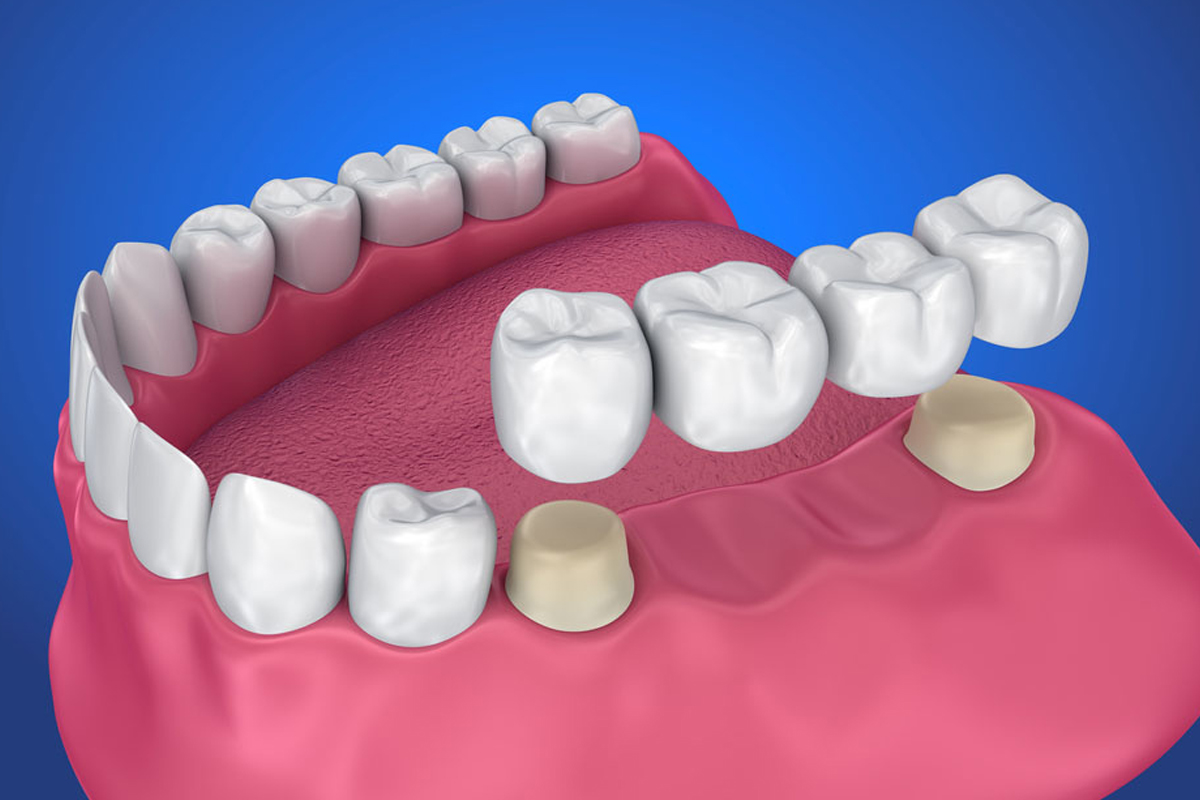
Crowns and bridges are advanced restorative dental solutions designed to repair damaged teeth and replace missing ones while restoring both function and aesthetics. A dental crown covers and strengthens a weakened tooth, whereas a bridge fills the gap created by one or more missing teeth by anchoring to adjacent natural teeth or implants. These restorations are custom-crafted to blend seamlessly with your natural smile, ensuring durability, comfort, and long-term oral health.

Treatments

Crowns and bridges are recommended in a variety of dental conditions, including:

  • Advanced treatments tailored to your unique beauty goals.
  • Safe, non-surgical solutions for a youthful and refreshed look.
  • Expert care ensuring natural, long-lasting results.
  • Advanced treatments tailored to your unique beauty goals.
  • Safe, non-surgical solutions for a youthful and refreshed look.

Modern materials such as ceramic, porcelain-fused-to-metal, and zirconia ensure natural aesthetics and long-lasting strength.

Causes Requiring Crowns & Bridges

Crowns and bridges may be needed due to:

  • Severe tooth decay or large cavities
  • Tooth fractures or trauma
  • Tooth loss from injury, decay, or gum disease
  • Excessive wear from grinding or clenching
  • Weakening of teeth following root canal therapy

Ignoring these issues can lead to further damage, bite imbalance, and jaw discomfort.

Prevention

While crowns and bridges restore dental health, prevention plays a vital role in maintaining natural teeth:

  • Maintain proper oral hygiene with regular brushing and flossing
  • Visit your dentist for routine check-ups and professional cleanings
  • Address cavities and gum issues early
  • Use protective guards if you grind your teeth
  • Avoid biting hard objects and excessive sugary foods

Early diagnosis and preventive care can significantly reduce the need for extensive restorative treatments.

Book an Appointment